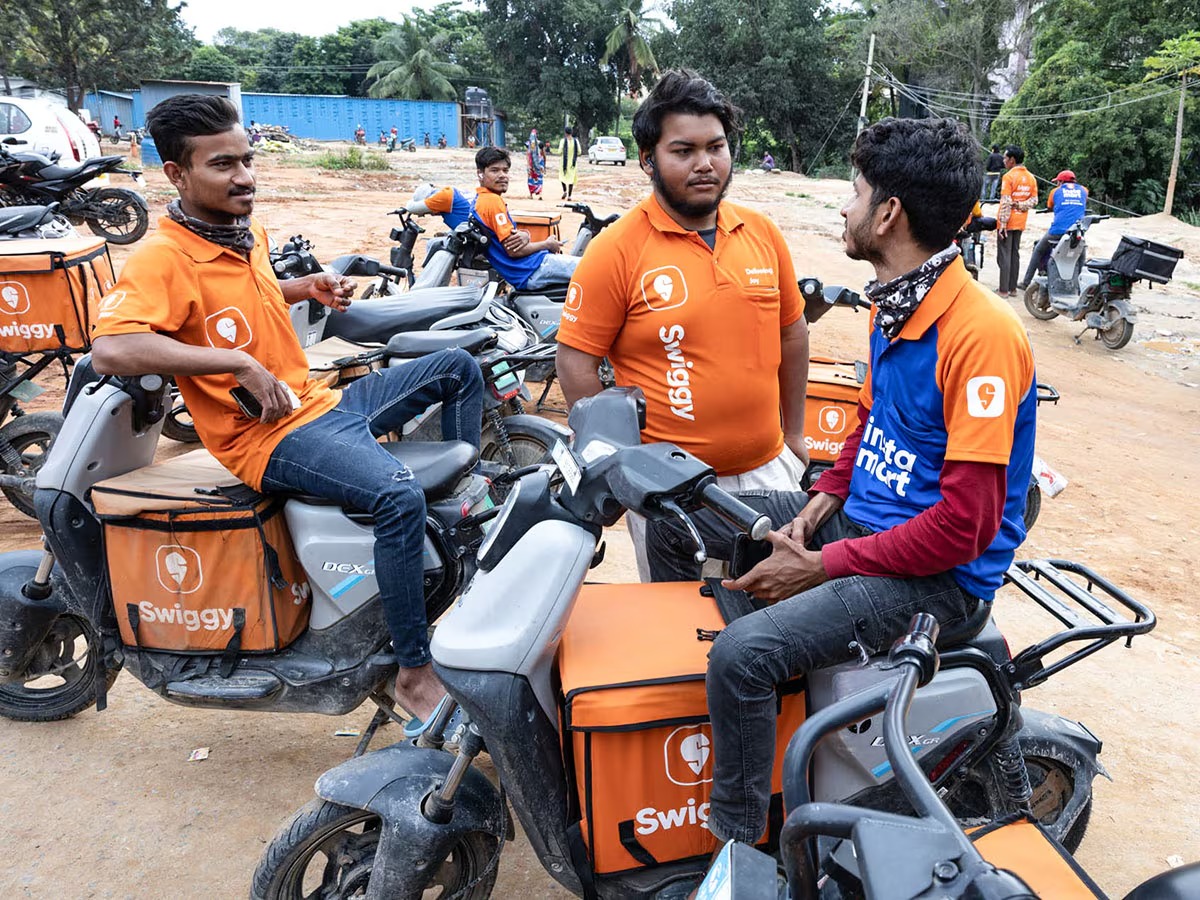
A debate over India's startup ecosystem has gone viral after a post on X questioned why Indian entrepreneurs appear to be building businesses around low-cost labour instead of deep technology and long-term innovation.
The post criticised companies such as Swiggy, Zomato, Zepto and Snabbit, arguing that “delivery boys get peanuts while founders get billions” and that India's startup ecosystem focuses on “maximum extraction” rather than deep tech.
The discussion later spilled onto Reddit, where users offered sharply different views on whether India's quick-commerce boom reflects exploitation or simply the country's economic realities.
One user argued that venture capital investors are unwilling to wait for long-term returns. “deep tech pays after many years. founders want money now,” the user wrote. Another said, “No VC would fund Indian deep tech startup. They all want revenue which is impossible in deep tech startups in the early years.”
However, others rejected the idea that gig platforms are inherently exploitative. One Reddit user said these businesses create opportunities for people with limited formal skills, adding that “the pay isn’t great, but it’s a chance to earn a daily wage instead of having no work at all.”
Another user wrote, “Where I do agree is that the value created isn’t shared fairly. Gig workers deserve better pay, insurance, benefits, and more job security.”
The debate also challenged the assumption that quick commerce exists only because of cheap labour. Several users pointed to India's dense urban markets and large consumer base as key factors. Others noted that China has an even larger instant-commerce ecosystem, while also investing heavily in deep tech.
The larger question remains whether India's startup ecosystem can move beyond consumer internet businesses and build globally competitive companies in semiconductors, manufacturing, artificial intelligence and advanced engineering.
As one Reddit user put it: “India doesn’t have the risk capital today needed for the scale.”
The criticism, therefore, may be less about quick-commerce companies themselves and more about the direction of India's startup ecosystem. These platforms have solved real problems and created millions of earning opportunities, but the debate raises an important question: can India build a startup economy that creates not just convenience and delivery jobs, but also high-value technology, better-paying employment and globally competitive products? For now, the answer appears to be a work in progress.
Read the full Reddit discussion